


Controlled Atmosphere and Refrigeration: How to Slow Down the Ripening of Fresh Produce and Extend Shelf Life Throughout the Supply Chain
The Challenges of Fresh Produce Preservation in Logistics and Distribution
In recent years, rising temperatures, growing attention to reducing food waste, and the need to manage increasingly complex supply chains have made the proper storage and preservation of fruit and vegetables particularly important.
After harvesting, fruit and vegetables continue to ripen and can deteriorate rapidly if they are not stored under suitable conditions during storage, transportation, and distribution. For this reason, producers, agricultural cooperatives, and logistics operators are increasingly looking for solutions capable of maintaining optimal conditions throughout the cold chain, preserving product quality, freshness, and shelf life.
Not Just Cooling: The Parameters That Affect Fresh Produce Shelf Life
The preservation of fresh produce depends on the balance of several environmental factors that directly influence the product’s physiological processes. To maintain quality and freshness during storage and transportation, several key parameters must be continuously monitored:
- Temperature: directly affects the rate of ripening and deterioration of fresh produce. After harvesting, rapidly reducing the field temperature helps slow down metabolic activity, limit product deterioration, and preserve freshness, texture, and nutritional value.
- Relative humidity: inadequate humidity levels can cause dehydration, weight loss, and a deterioration in the products’ visual appearance. Conversely, excessive humidity can promote condensation and the growth of mould and microorganisms.
- Oxygen (O₂) and carbon dioxide (CO₂): regulate the metabolic processes responsible for product ripening. Proper monitoring and control of these gases can help extend the shelf life of fresh produce.
- Ethylene: a naturally occurring plant hormone that accelerates the ripening of many varieties of fruit and vegetables. Its presence in storage environments can also affect other products stored in the same area, accelerating deterioration.
- Ventilation and air exchange: proper ventilation is essential to ensure an even distribution of temperature and limit the accumulation of unwanted gases.
The Most Common Mistakes That Compromise Fresh Produce Preservation
Even when efficient refrigeration systems are in place, certain operational errors can significantly reduce the shelf life of fresh produce. The most common include:
- failure to pre-cool produce after harvesting
- temperature fluctuations during transportation and handling
- frequent opening of refrigerated storage rooms
- inadequate ventilation
- overloading storage areas
- storing products with different requirements in terms of temperature, humidity, or ethylene production in the same area.
For this reason, effective cold chain management goes beyond refrigeration alone. It requires continuous monitoring and control of all the parameters that affect product preservation.
Controlled Atmosphere and Refrigeration: Why They Work Together
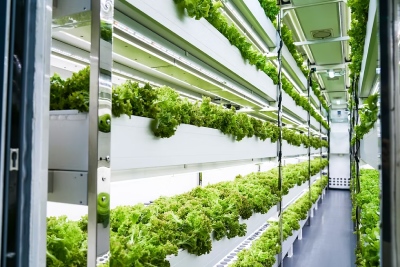
Once the main factors affecting the ripening of fresh produce have been identified, the next step is to keep them within optimal ranges throughout the storage period. In this context, controlled atmosphere and refrigeration are two complementary technologies that can help extend shelf life and reduce losses throughout the supply chain.
How does controlled atmosphere work for fresh produce storage?
Controlled Atmosphere (CA) technology for fresh produce storage works by regulating oxygen (O₂), carbon dioxide (CO₂), and ethylene levels within the storage environment, thereby slowing down product respiration and ripening.
By reducing oxygen concentration while keeping CO₂ and ethylene under control, it is possible to slow down the respiration rate of fresh produce and, consequently, the ripening and ageing processes. This helps preserve characteristics such as texture, colour, freshness, and commercial quality for longer, contributing to waste reduction and improved inventory management.
Why refrigeration remains essential for preservation
Although controlled atmosphere technology can help extend shelf life, refrigeration remains the foundation of any professional preservation system. To achieve effective results, temperature, humidity, and ventilation must remain stable throughout all stages of storage and transportation.
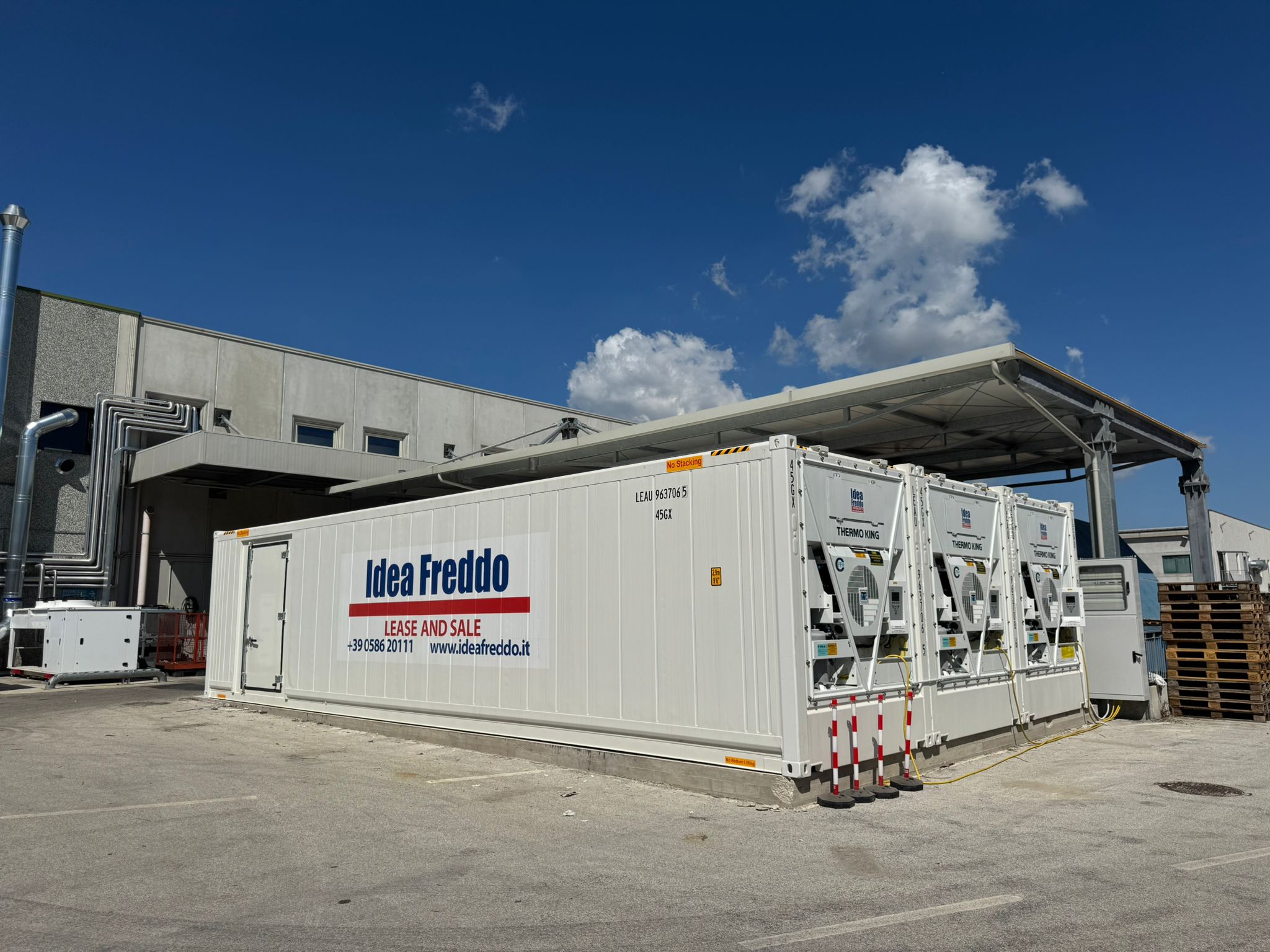
For this reason, refrigerated storage solutions play a central role in fresh produce preservation. Refrigerated containers and cold rooms make it possible to maintain stable operating conditions throughout the cold chain, creating the ideal environment for preserving product quality and supporting any dedicated atmosphere-control systems.
Technologies such as NaturaLINE CO₂ refrigeration units, for example, enable precise temperature and ventilation management while using a low-environmental-impact natural refrigerant. However, regardless of the technology used, the most important factor remains the ability to maintain stable preservation parameters through continuous monitoring, data logging, and control systems capable of responding quickly to any anomalies.
Refrigerated containers and cold rooms: solutions for fresh produce storage
The choice of storage solution for the agricultural sector depends on several factors, including the volumes to be stored, storage duration, and the operational requirements of each individual business. In the fresh produce sector, the primary objective is to ensure stable conditions throughout all stages of the supply chain, while keeping temperature, ventilation, and storage environment quality under control.
Refrigerated containers: the most versatile solution
For fresh produce storage and logistics, standard refrigerated containers represent the most versatile solution. They are available in different sizes, including 10′, 20′ and 40′ High Cube. Thanks to their flexibility, they can be used as mobile refrigerated warehouses, backup units, or additional capacity during seasonal campaigns and production peaks. Their ability to be installed quickly at production facilities, logistics centres, or collection areas makes them particularly well suited to the typical requirements of the agri-food sector.
Modular cold rooms for large volumes
When large storage volumes or open-plan spaces without internal partitions are required, modular open-space cold rooms represent a particularly effective solution. Their modular design also makes it possible to create configurations that can be expanded over time, adapting to evolving operational requirements.
Blast chillers for specific requirements
Blast chillers are used in processes that require the product temperature to be lowered rapidly. These are solutions designed for specific operational stages, which differ from the storage and preservation requirements typically addressed by refrigerated containers and cold rooms.
Special solutions for customised applications
For specific requirements, SO.GE.SE. also develops special solutions designed around layout constraints, safety requirements, facilitated access, or integration with existing production processes. This approach makes it possible to develop customised configurations capable of meeting the specific operational needs of the agri-food supply chain.
Remote monitoring and continuous control: added value for fresh produce preservation
To ensure effective fresh produce preservation, it is not enough to set the correct temperature initially. The parameters affecting shelf life must remain stable throughout all stages of storage and transportation, avoiding anomalies that could compromise product quality.
For this reason, remote monitoring and control systems are playing an increasingly important role in modern agri-food applications. The ability to check temperature and humidity in real time makes it possible to identify deviations from set values promptly and intervene before they can lead to product losses.
SOGESE offers a range of accessories and additional services that can be useful in fresh produce applications, including remote control systems, temperature alarms, data loggers for recording data, and reporting tools that enable continuous monitoring of storage conditions.
An approach based on continuous monitoring, supported by preventive maintenance and automatic alert systems, helps maintain stable conditions throughout the cold chain and reduces the risk of an anomaly compromising the quality of stored goods.
Rental or purchase: which solution should you choose for seasonal fresh produce management?
In the fresh produce sector, storage requirements can vary significantly throughout the year. Harvesting campaigns, grape harvests, promotions by large-scale retail chains, or sudden increases in the volumes to be handled may require additional refrigerated capacity for limited periods of time.
In these situations, the rental of refrigerated containers or cold rooms is often the most flexible solution for temporarily increasing storage capacity. It allows businesses to manage seasonal peaks without having to make structural investments or incur permanent costs associated with equipment that may be underutilised during periods of lower activity.
Purchasing, on the other hand, is generally more suitable for businesses that use refrigerated capacity continuously throughout the year and require a strategic, permanent solution.
The availability of different operating models allows companies across the agri-food supply chain to adapt their infrastructure to their actual production requirements, while maintaining high preservation standards and optimising investment at the same time.
SO.GE.SE: Refrigerated Storage and Continuous Monitoring
Fresh produce preservation requires much more than refrigeration alone. To slow down ripening and preserve product quality throughout the supply chain, parameters such as temperature, humidity, ventilation, and atmospheric composition must be carefully controlled, ensuring stable conditions during storage and transportation.
Through the solutions offered by its Idea Freddo division, SO.GE.SE. provides flexible and customisable refrigerated storage systems, designed to meet the requirements of the fresh produce and food logistics sectors.
Do you need to increase your company’s storage capacity or manage a seasonal peak? Contact the SO.GE.SE team to receive technical advice and a customised quotation for the solution best suited to your requirements.
What is the difference between controlled atmosphere and modified atmosphere?
Controlled Atmosphere (CA) and Modified Atmosphere Packaging (MAP) are two techniques used to extend the shelf life of fresh produce, but they work in different ways. Controlled Atmosphere technology maintains stable levels of oxygen (O₂), carbon dioxide (CO₂), and ethylene over time through dedicated monitoring and regulation systems. Modified Atmosphere, on the other hand, involves an initial modification of the air composition inside a package or enclosed environment, without continuous monitoring and control of the parameters.
What temperatures are ideal for storing fruit and vegetables in a refrigerated container?
There is no single ideal temperature for all types of fresh produce. Each variety has specific storage requirements based on its physiological characteristics and stage of ripeness.
Can a refrigerated container replace a cold room?
In many applications, yes. Refrigerated containers can be used as mobile refrigerated warehouses, backup units, or additional capacity during seasonal campaigns and production peaks. Modular cold rooms, on the other hand, are generally more suitable when large storage volumes or configurations that can be expanded over time are required.
Which parameters should be monitored to extend the shelf life of fresh produce?
The most important parameters are temperature, relative humidity, oxygen (O₂) concentration, carbon dioxide (CO₂) concentration, ethylene levels, ventilation, and the length of time products are exposed to temperatures outside the recommended range.
